
Introduction: Why Bakers Are Rethinking Sugar
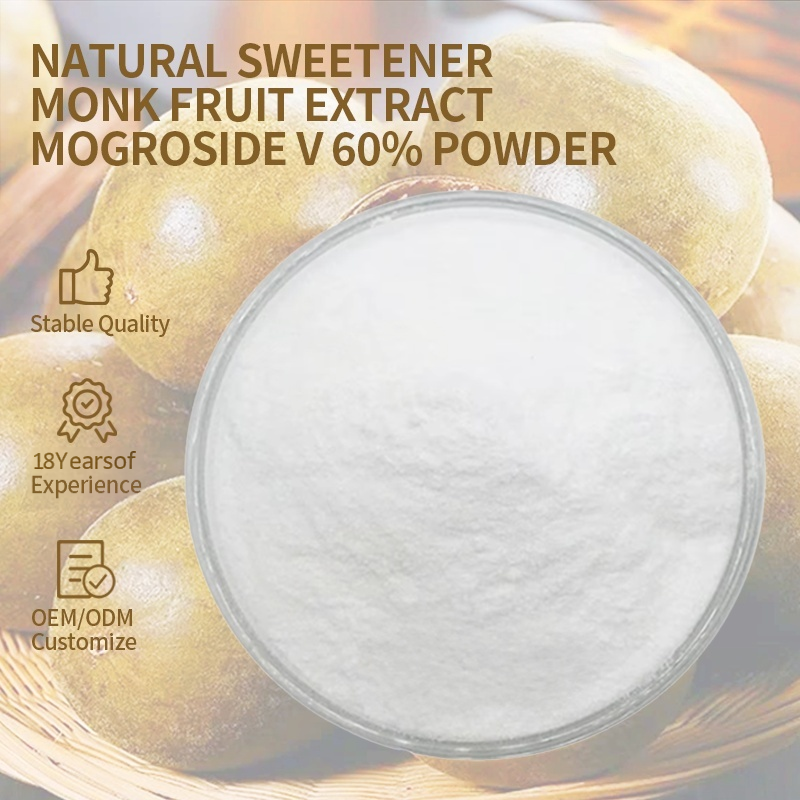
High-quality pure monk fruit extract powder from Yaokun is a natural zero-calorie sweetener, ideal for low-sugar and clean-label baking applications.
1. The Role of Sweeteners in Baking: More Than Just Adding Flavor
-
Balancing Texture and Flavor
They neutralize bitterness from cocoa, coffee and whole grains, elevating the overall taste profile of finished baked food.
-
Improving Texture and Structure
Sugar works as a humectant to lock in moisture. It keeps cakes, cookies and pastries tender while stopping them from drying out quickly.
-
Enabling Browning & Caramelization
Sugar reacts with proteins via the Maillard reaction. This creates the appealing golden crust and deep, layered flavors unique to baked products.
-
Supporting Fermentation and Leavening
For yeast-raised items such as bread, sugar feeds yeast cells. The yeast then releases carbon dioxide to make dough rise properly.
-
Extending Preservation
A high sugar concentration suppresses bacteria and mold growth, lengthening the shelf life of baked goods.
2. Common Types of Sweeteners in Baking
2.1 Refined Sugar (Traditional Options)
-
Sucrose (white sugar)
The industry benchmark for baking, delivering stable sweetness, ideal texture and reliable browning effects.
-
High-fructose corn syrup (HFCS)
Widely adopted in mass commercial baking for its low cost and strong moisture-locking ability. However, more brands are phasing it out over public health worries.
2.2 Natural Calorie-Containing Sweeteners
-
Honey & maple syrup
Boast distinctive natural flavors, yet remain high in calories and impact blood glucose. They alter a recipe’s moisture and acidity, so formula tweaks are mandatory when substituting.
-
Coconut sugar
Made from coconut tree sap, with a lower GI value than white sugar. It delivers only 70–80% of sucrose’s sweetness and still contains calories.
2.3 Artificial Sweeteners
Sucralose, aspartame, saccharin
Zero-calorie alternatives, yet most carry unpleasant bitter or metallic aftertastes. They fail to satisfy clean-label demands from shoppers. Additionally, they cannot match sugar’s bulk and functional traits, so direct 1:1 replacement is not feasible.
2.4 Natural Zero-Calorie Sweeteners (Fastest-Growing Segment)
Monk fruit sweetener stands out as a top choice in this category.
It is extracted from monk fruit (Siraitia grosvenorii), a tropical fruit originating from Southeast Asia, with standout advantages:
- Zero calories, zero carbs and zero glycemic index — suitable for diabetics and low-carb dieters
- 200–300 times sweeter than sucrose; tiny dosages deliver full sweetness for cost efficiency
- Complies with global clean-label rules, recognized as natural and GRAS (Generally Recognized As Safe) by international food authorities
- Excellent heat stability: unlike many competing sweeteners, it preserves full sweetness under high baking heat (max 200°C / 392°F)
3. Applications of Sweeteners in Baking: Use Cases and Benefits

The perfect combination of natural monk fruit sweetener and high-quality cake baking techniques brings a healthy sweetness to desserts.
3.1 The Challenge of Cakes and Cupcakes
3.2 The Challenge of Cookies
3.3 Challenges in Bread and Yeast-Fermented Products
3.4 Challenges in Icing, Glazing, and Fillings
4. Technical Considerations for Bakers Using Natural Zero-Calorie Sweeteners
5. Why Monk Fruit Sweetener Is the Future of Baking
Conclusion
Product Attributes
| Attribute | Details |
|---|---|
| Product Name | Monk Fruit Sweetener / Luo Han Guo Extract |
| Brand | Yaokun |
| Origin | Shaanxi, China |
| Appearance | White fine powder |
| Sweetness | 200-300 times sweeter than sucrose |
| Solubility | Easily soluble in water |
| Heat Stability | Up to 200°C / 392°F |
| Glycemic Index (GI) | 0 (Zero impact on blood sugar) |
| Caloric Value | 0 kcal/g |
| Recommended Use Level | 0.05% - 0.2% in final baked goods |
| Shelf Life | 24 months |
Packaging & Specifications
1kg Aluminum foil bag
25kg Fiber drum