The Comprehensive Guide to Myo‑Inositol Powder: Benefits, Applications & Usage
Introduction
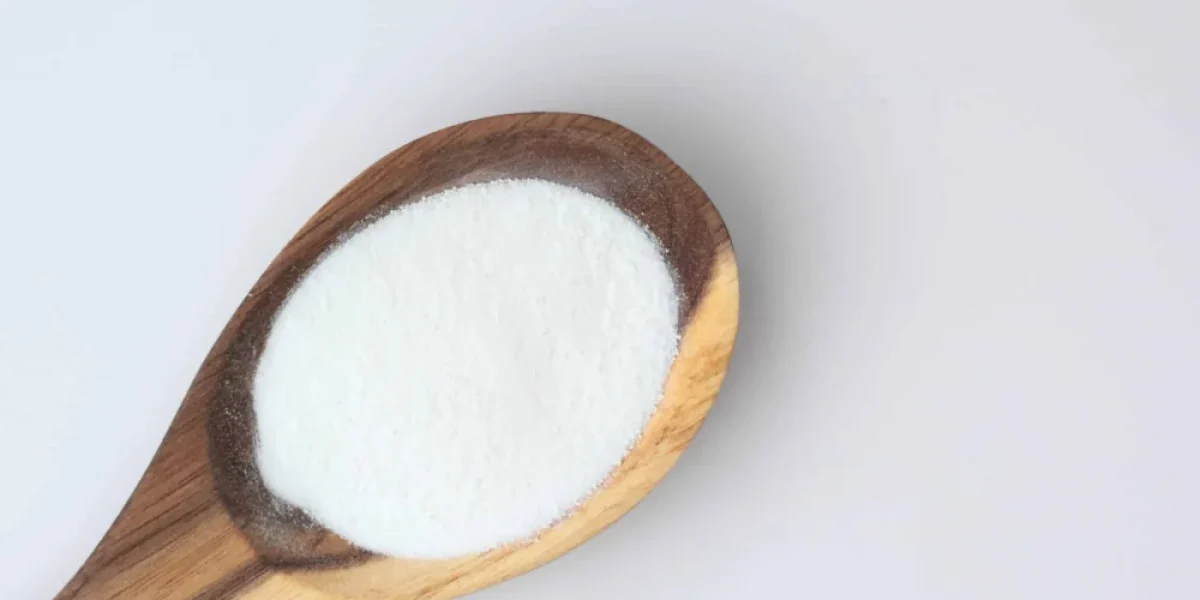
Myo‑Inositol, often simply called inositol, is a naturally occurring carbohydrate compound classified as a B‑vitamin‑like nutrient. Found in plants, fruits, and whole grains, myo‑inositol powder has rapidly become a staple dietary supplement in global health markets, especially for female wellness, metabolic balance, mental health, and reproductive support. As a high‑demand plant‑derived raw material, pure myo‑inositol powder is widely used in functional foods, health supplements, cosmetics, and pharmaceutical formulations worldwide. This article covers its core benefits, key application scenarios, dosage guidance, and critical notes for commercial use and daily supplementation.
What Is Myo‑Inositol?
Myo‑inositol is the most biologically active form of inositol, accounting for over 90% of natural inositol in the human body. It acts as a secondary messenger in cell signaling pathways, regulating hormone balance, insulin sensitivity, ovarian function, mood stability, and cellular metabolism. Unlike synthetic alternatives, plant‑source myo‑inositol powder features high purity, water‑soluble properties, and excellent absorption, making it ideal for bulk wholesale and formulation development for global health brands.
Core Health Benefits of Myo‑Inositol Powder
1. Supports Female Reproductive Health & PCOS Management
Myo‑inositol is globally recognized as a first‑line natural nutrient for polycystic ovary syndrome (PCOS). It improves insulin resistance, balances luteinizing hormone (LH) and follicle‑stimulating hormone (FSH), reduces ovarian androgen production, regulates irregular menstrual cycles, and relieves PCOS symptoms like acne, excessive hair growth, and ovarian cysts. It also boosts ovulation quality and improves fertility for women preparing for pregnancy.
2. Improves Insulin Sensitivity & Metabolic Health
By enhancing cell response to insulin, myo‑inositol stabilizes blood sugar levels, lowers insulin resistance, and reduces the risk of type‑2 diabetes and metabolic syndrome. It helps regulate lipid profiles, reduce abdominal fat accumulation, and support healthy weight management, suitable for pre‑diabetic populations and overweight individuals with hormonal imbalances.
3. Boosts Mental Health & Mood Regulation
Myo‑inositol modulates neurotransmitters including serotonin and dopamine in the brain. Clinical studies confirm it eases anxiety, depression, obsessive‑compulsive disorder (OCD), and panic attacks. It improves stress resilience and sleep quality, serving as a natural alternative to synthetic mood regulators with fewer side effects.
4. Supports Skin Health & Hormonal Acne Relief
Hormonal acne, particularly linked to PCOS and high androgen levels, is effectively improved by myo‑inositol. It balances sebum secretion, reduces inflammatory skin reactions, and clears persistent cystic acne on the jawline and face, delivering long‑term skin improvement from internal hormonal regulation.
5. Promotes Hair Growth & Reduces Hair Loss
Insulin resistance and hormonal imbalance are major causes of female‑pattern hair loss and androgenetic alopecia. Myo‑inositol balances scalp hormone levels, improves blood circulation to hair follicles, prevents follicle miniaturization, and supports thicker, healthier hair growth.
6. Supports Liver & Cellular Health
Myo‑inositol aids fat metabolism in the liver, preventing non‑alcoholic fatty liver disease (NAFLD). It maintains cell membrane health, supports antioxidant activity, and protects cells from oxidative damage.
Key Application Scenarios of Myo‑Inositol Powder
1. Dietary Supplements & Nutraceuticals
PCOS‑targeted female wellness supplements
Fertility and preconception support formulas
Blood sugar balance and metabolic health capsules/powders
Anxiety relief and stress‑support functional supplements
Hair and skin beauty oral formulations
2. Functional Foods & Beverages
Added to meal replacement powders, probiotic drinks, energy bars, and women‑focused functional beverages for hormonal balance and wellness support.
3. Cosmetic & Personal Care Industry
Used in oral beauty supplements and skincare raw materials for anti‑acne, anti‑hair‑loss, and hormonal balance formulations.
4. Pharmaceutical Raw Materials
Applied in prescription‑grade hormonal regulation, metabolic disorder, and reproductive health medications.
5. Bulk Wholesale for Global Brands
High‑purity myo‑inositol powder is exported to North America, Europe, Australia, and Southeast Asia for health product manufacturers, formulators, and supplement brands.
Recommended Dosage & Usage Notes
Daily Dosage
General hormonal balance: 500–1000 mg daily
PCOS & fertility support: 2000 mg daily (standard clinical dosage)
Mental health & anxiety relief: 1000–2000 mg daily
Skin & hair care: 1000 mg daily
Usage Tips
Myo‑inositol powder is water‑soluble; mix with water, juice, or smoothies for daily intake.
Best taken on an empty stomach for optimal absorption.
Consistent use for 8–12 weeks is required to see noticeable improvements in hormone balance and symptoms.
Safety, Side Effects & Disclaimer
Myo‑inositol is well‑tolerated with minimal side effects. Rare mild symptoms include bloating, nausea, or mild diarrhea at high doses, which fade with reduced intake. It is safe for long‑term daily use for most adults.
Disclaimer: The information provided in this article is for educational and informational purposes only and is not intended as medical advice. Always consult with a qualified healthcare professional before adding new dietary supplements to your routine, especially for pregnant, breastfeeding women and individuals with chronic diseases.
Why Choose High‑Purity Myo‑Inositol Powder?
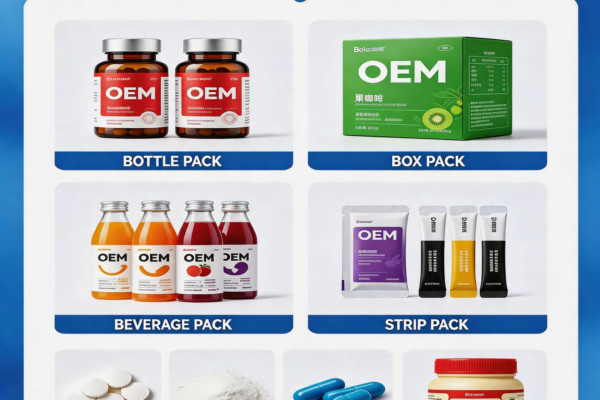
Our myo‑inositol powder features ≥99% purity, plant‑derived raw materials, non‑GMO status, and compliance with global food‑grade standards. Suitable for bulk export, OEM formulation, and custom packaging, it meets the growing global demand for clean‑label, natural female wellness ingredients.