When you pick up a high-performance dietary supplement or a premium craft chocolate bar in 2026, you will notice a clear change in ingredient lists.
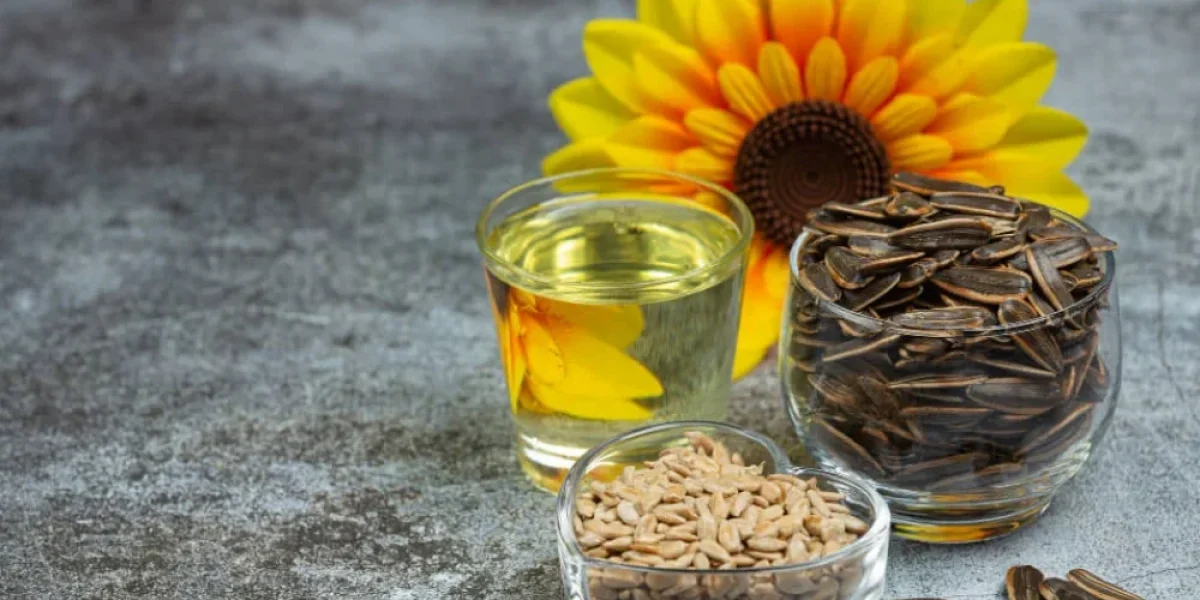
Sunflower lecithin is rapidly replacing soy lecithin in mainstream premium formulations.
This is not a temporary marketing trend.
It represents a fundamental global shift toward higher ingredient purity, cleaner processing standards, and ethical supply chain transparency.
Both sunflower and soy lecithin belong to the phospholipid family.
They are essential natural fats designed to stabilize textures, bind formulas, and maintain product uniformity.
However, the global food and nutrition market has officially separated the two ingredients in terms of quality, safety, and consumer preference.
The 2026 Clean Label Evolution Reshapes Lecithin Demand
In 2026, the international Clean Label movement has matured into a universal industry standard.
Functional performance is no longer the only evaluation criterion for food additives.
Modern brands and end consumers now strictly examine two core factors:
raw material origin and extraction technology.
Buyers actively avoid ingredients processed with harsh chemical solvents.
They also reject raw materials linked to large-scale GMO monoculture farming systems.
Latest global ingredient market statistics confirm this transition.
Sunflower lecithin achieves a steady annual growth rate of 12.32%, far exceeding traditional soy lecithin.
Its rapid market expansion stems entirely from its non-GMO status, solvent-free processing, and transparent sourcing advantages.
For product formulators, manufacturers, and health-focused consumers,
distinguishing the subtle differences between sunflower lecithin and soy lecithin
is critical to optimizing product quality, safety standards, and nutritional value.
The 2026 Industry Lecithin Transition: From Functional to Transparent
For decades, lecithin was treated as a passive background additive in food and supplement production.
In 2026, ingredient evaluation standards have completely changed.
Consumers and B‑side purchasers scrutinize origin traceability and production craftsmanship
as carefully as they evaluate emulsifying performance.
The market premium attached to sunflower lecithin is no longer arbitrary.
It directly reflects transparent supply chains and clean manufacturing protocols.
Industry procurement data clearly proves:
“Soy-free formulation” is no longer a niche demand for allergy-sensitive crowds.
It has become a mainstream preference for clean-label, minimally processed, and naturally derived ingredients.
Core Technical Difference: Hexane Solvent VS Cold-Press Extraction
The biggest gap between soy lecithin and sunflower lecithin does not lie in plant sources.
The decisive difference comes from extraction and refining methods.
Understanding this core processing gap explains
why premium global brands are willing to pay higher costs for sunflower lecithin.
The Industrial Processing Reality of Traditional Soy Lecithin
Commercial-grade soy lecithin is essentially a byproduct of large-scale industrial soybean oil refining.
To maximize extraction yield and reduce production costs,
most manufacturers rely on hexane solvent extraction, a crude-oil-derived chemical processing method.
Although FDA and EFSA official regulations define residual hexane levels below 10ppm as technically safe,
2026 global consumers and high-end brands have developed zero tolerance toward chemical solvent processing.
Beyond solvent residue risks, soy lecithin faces another unavoidable quality defect.
The high-temperature heating and repeated refining required for hexane removal
severely degrade natural phospholipid activity.
This harsh chemical degumming process
eliminates natural micronutrients,
destroys original nutritional properties,
and alters the natural color, flavor, and purity of final lecithin products.
Compared with cold-pressed sunflower lecithin,
industrially refined soy lecithin displays poorer activity stability and lower formula compatibility in premium clean-label applications.